
Greek Pasta Salad Recipe
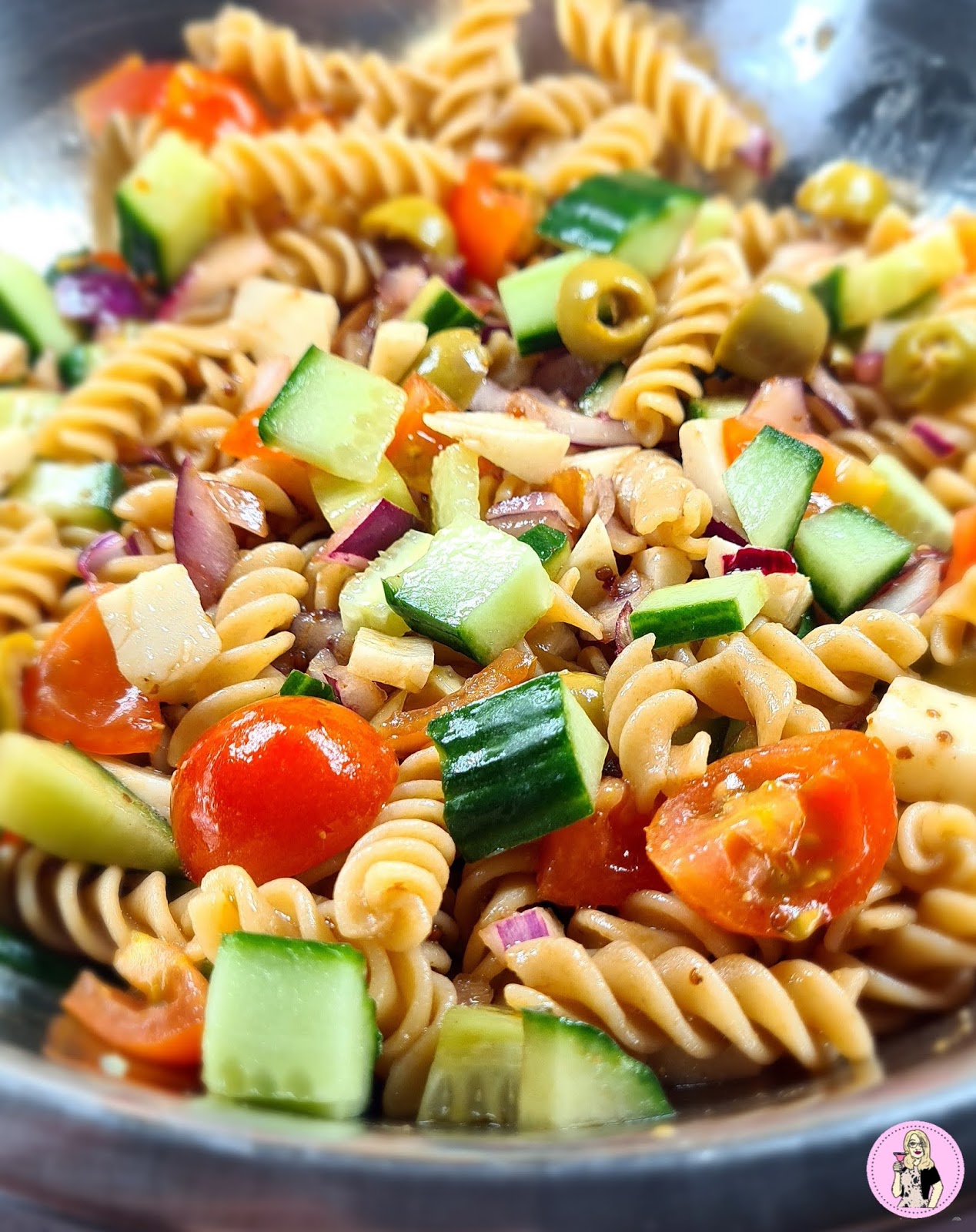
This colourful Greek pasta salad recipe combines tender pasta with crisp cucumber, juicy tomatoes, red onion, olives and creamy feta, all tossed in a fresh Mediterranean-style dressing. It is light, refreshing and packed with flavour, making it perfect for summer lunches, picnics, barbecues and easy family dinners.
Greek pasta salad takes everything you love about a classic Greek-inspired salad and turns it into a more filling meal by adding pasta. The combination of fresh vegetables, salty feta and a simple olive oil dressing makes every forkful taste fresh and vibrant.
It is also an excellent make-ahead recipe. Prepare it for lunch boxes, serve it as part of a barbecue spread or keep a batch in the fridge for quick meals throughout the week.
Why You’ll Love This Greek Pasta Salad
This easy Greek pasta salad is:
Fresh, colourful and full of Mediterranean flavours
Ideal for picnics, parties and barbecues
Delicious served warm or chilled
Easy to make ahead
Perfect for lunch boxes and meal preparation
Simple to customise with different vegetables
Filling enough to enjoy as a light main meal
It is a particularly useful recipe during warmer weather when you want something satisfying without preparing a heavy hot meal.
What Is Greek Pasta Salad?
Greek pasta salad is a pasta-based dish inspired by the flavours commonly found in Greek salad. It usually includes ingredients such as cucumber, tomatoes, red onion, olives and feta cheese, combined with cooked pasta and a herby olive oil dressing.
Adding pasta makes the salad more substantial while still keeping it fresh and light. The pasta absorbs some of the dressing as it rests, helping the flavours develop.
Although inspired by Greek ingredients, pasta salad is a modern variation rather than a traditional Greek salad.
The Best Pasta for Greek Pasta Salad
Short pasta shapes work best because they are easy to mix with the vegetables and dressing.
Good options include:
Fusilli
Penne
Farfalle
Orzo
Rigatoni
Conchiglie
Rotini
Pasta shapes with ridges, spirals or curves are particularly good because they hold onto the dressing and small pieces of feta.
Cook the pasta until just al dente. Pasta that is too soft can become mushy once it is mixed with the dressing and stored in the refrigerator.
After draining, rinse the pasta briefly under cold water if you want to cool it quickly. Drain it thoroughly before adding the dressing so that excess water does not dilute the flavours.
Fresh Vegetables for Greek Pasta Salad
Fresh vegetables give this pasta salad its colour, crunch and refreshing flavour.
Cucumber
Cucumber adds a crisp texture and makes the salad especially refreshing. English cucumber, baby cucumber or standard cucumber can all be used.
If your cucumber contains a lot of seeds, you can scoop out the watery centre before chopping it. This helps prevent the finished salad from becoming too wet.
Tomatoes
Cherry or baby plum tomatoes are ideal because they are sweet, colourful and easy to prepare. Cut them in half so their juices mix with the dressing.
Larger tomatoes can also be used, but remove some of the seeds if they are particularly watery.
Red onion
Finely sliced red onion provides crunch and a sharper flavour. If you find raw onion too strong, soak the slices in cold water for around 10 minutes before draining them thoroughly.
Peppers
Red, yellow or orange peppers add sweetness, colour and extra crunch. They are not essential, but they are a delicious addition to a Mediterranean pasta salad.
Using Feta in Pasta Salad
Feta is one of the key flavours in this Greek-inspired pasta salad. Its creamy texture and salty taste work beautifully with the fresh vegetables, olives and herby dressing.
You can crumble the feta into small pieces or cut it into larger cubes. Larger pieces give the salad a more substantial texture, while crumbled feta spreads its flavour throughout the pasta.
Add most of the feta while mixing the salad, then save a little to scatter over the top before serving.
Taste the pasta salad before adding extra salt, as feta and olives can both be naturally salty.
The Best Olives to Use
Kalamata olives are a popular choice because of their rich, fruity flavour. However, black olives, green olives or a mixture can also be used.
Pitted olives are easiest to eat in a pasta salad. You can leave them whole, cut them in half or slice them into smaller pieces.
People who do not enjoy olives can simply leave them out. Capers, roasted peppers or artichoke hearts can provide an alternative salty flavour.
Greek Pasta Salad Dressing
A simple dressing made with olive oil, lemon juice or vinegar, garlic and dried herbs is perfect for this salad.
Oregano is commonly associated with Greek-inspired recipes and pairs particularly well with feta, tomatoes and olives. You could also add parsley, basil, dill or mint.
The dressing should have enough acidity to balance the richness of the olive oil and feta. Lemon juice gives it a fresh, bright flavour, while red wine vinegar provides a slightly sharper finish.
Whisk the dressing before pouring it over the pasta so the oil and vinegar combine evenly.
Dress the Pasta While It Is Slightly Warm
Pasta absorbs flavour particularly well while it is still slightly warm.
Once the pasta has been drained, allow it to cool for a few minutes before mixing it with part of the dressing. The pasta will absorb the garlic, herbs and acidity as it cools.
Add the fresh vegetables and feta once the pasta is no longer hot. Adding them too soon could soften the cucumber, wilt the vegetables or cause the feta to melt.
Reserve a little dressing to refresh the pasta salad immediately before serving.
Tips for the Best Greek Pasta Salad
Do not overcook the pasta. It should remain firm enough to hold its shape after being tossed with the dressing.
Chop the vegetables into similar-sized pieces. This makes the salad easier to eat and ensures every serving contains a good mixture of ingredients.
Drain the pasta and vegetables thoroughly. Excess water can weaken the dressing and collect at the bottom of the bowl.
Allow the salad to rest before serving. Around 30 minutes in the refrigerator gives the pasta time to absorb the flavours.
Finally, taste the salad again just before serving. Chilled foods sometimes need a little more seasoning, lemon juice or dressing.
Greek Pasta Salad Variations
Chicken Greek Pasta Salad
Add sliced grilled chicken, leftover roast chicken or seasoned chicken pieces to turn the salad into a filling main meal.
Tuna Greek Pasta Salad
Stir through drained tinned tuna for an easy protein-packed lunch.
Greek Orzo Salad
Replace larger pasta shapes with orzo. Its small size makes the salad easy to serve at parties and barbecues.
Roasted Vegetable Pasta Salad
Add roasted courgettes, peppers, aubergine or cherry tomatoes for a deeper, sweeter flavour.
Spicy Greek Pasta Salad
Include sliced chillies, chilli flakes or spicy olives for a little heat.
Vegan Greek Pasta Salad
Use a dairy-free feta alternative or leave out the cheese. Add chickpeas or butter beans to make the salad more filling.
Creamy Greek Pasta Salad
Mix a little Greek-style yoghurt into the dressing for a creamier finish. This produces a different texture from a traditional oil-based dressing but works well for lunch boxes and picnics.
What to Serve With Greek Pasta Salad
Greek pasta salad can be enjoyed on its own as a light lunch or served as a side dish.
It pairs particularly well with:
Grilled chickenLamb kebabs
Barbecued meat
Grilled halloumi
Falafel
Roasted salmon
Garlic flatbreads
Pitta bread and hummus
Stuffed peppers
Mediterranean roasted vegetables
It is also a great addition to a buffet, picnic or barbecue table because it can be prepared before guests arrive.
Is Greek Pasta Salad Good for Meal Prep?
Yes, Greek pasta salad is an excellent meal-preparation option because the flavours improve as they sit together.
Divide it between airtight containers and store it in the refrigerator until needed. Keep any particularly watery ingredients separate if you plan to store the salad for several days.
A little extra dressing can also be stored separately and stirred through before eating. This helps refresh pasta that has absorbed most of the original dressing.
Can Greek Pasta Salad Be Made Ahead?
This salad can be prepared several hours before serving and refrigerated until required.
For the best texture, you may prefer to add the cucumber, tomatoes and remaining feta shortly before serving. This keeps the vegetables crisp and prevents the salad from becoming watery.
Remove the pasta salad from the refrigerator around 15 minutes before serving. Olive oil can thicken when chilled, so allowing it to warm slightly helps restore the dressing’s consistency.
How to Store Leftovers
Store leftover Greek pasta salad in an airtight container in the refrigerator and eat it within two to three days.
The pasta will continue absorbing the dressing while stored. Stir through a little olive oil, lemon juice or reserved dressing before serving.
This salad is not suitable for freezing because the cucumber, tomatoes and feta may lose their texture after thawing.
Frequently Asked Questions
Can I make Greek pasta salad the night before?
Yes. Preparing it the night before gives the pasta time to absorb the dressing. For the freshest texture, consider adding the cucumber and tomatoes shortly before serving.
Should you rinse pasta for pasta salad?
Rinsing is useful when you need to cool the pasta quickly and prevent it from continuing to cook. However, slightly warm pasta absorbs dressing well, so you can also allow it to cool naturally after draining.
Why is my pasta salad dry?
Pasta absorbs dressing as it rests. Reserve some dressing and stir it through shortly before serving. A splash of olive oil or lemon juice can also loosen the salad.
Can I use salad cheese instead of feta?
Yes. Salad cheese can be used, although its flavour and texture may differ from traditional feta.
Can I make this pasta salad without olives?
Absolutely. Leave them out or replace them with capers, artichokes, roasted peppers or additional vegetables.
Is Greek pasta salad served cold?
It is usually served chilled or at room temperature. It can also be enjoyed while the pasta is still slightly warm.
Can I add protein to Greek pasta salad?
Yes. Chicken, tuna, salmon, prawns, chickpeas, lentils or grilled halloumi all work well.
Is Greek pasta salad gluten-free?
Use gluten-free pasta and check the labels on the dressing ingredients, cheese and any additional seasonings.
The Perfect Summer Pasta Salad
This Greek pasta salad recipe is fresh, colourful and incredibly versatile. The combination of pasta, crunchy vegetables, salty feta, olives and a herby dressing makes it perfect for warm-weather lunches, picnics and family barbecues.
Prepare it ahead for an easy lunch, serve it alongside grilled meat or enjoy a bowl on its own when you need a quick and satisfying meal. It is a simple recipe that can be adapted using whatever Mediterranean-style ingredients you already have.


.png)


0 Comments